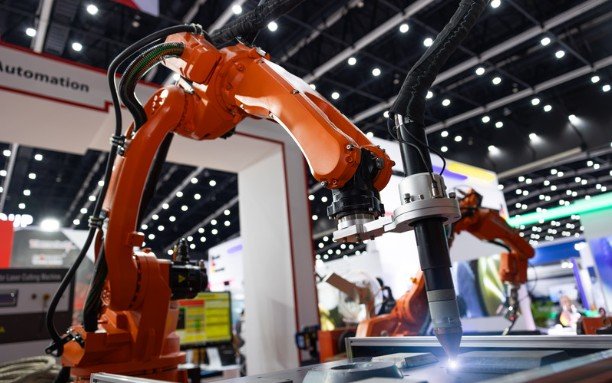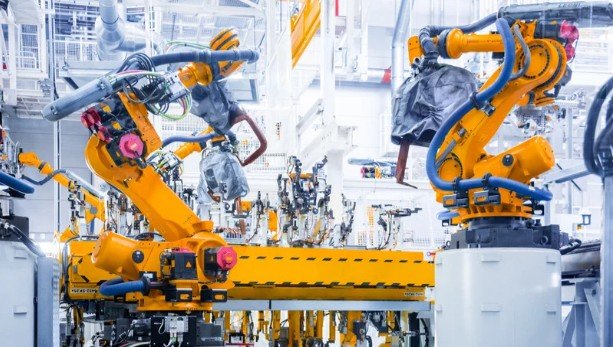
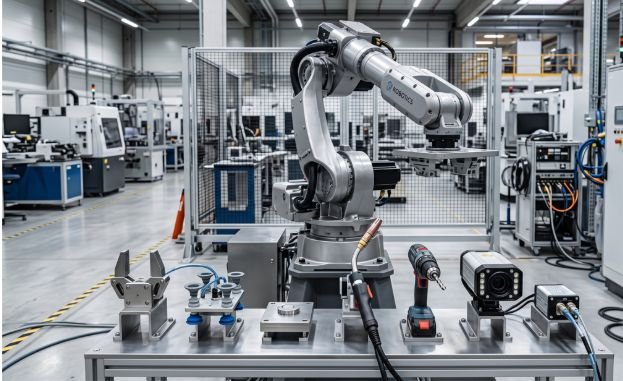
A robot arm can move with impressive speed and precision, yet it cannot perform useful work without the right wrist tool. The types of robot […]
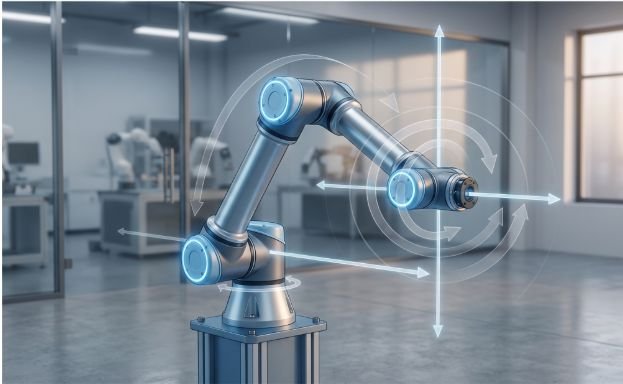
Robot Axes vs Degrees of Freedom: Clear Comparison
Robot axes vs degrees of freedom looks like a simple numbers question, yet specification sheets often mix two separate ideas. Axes describe movable hardware. Degrees […]
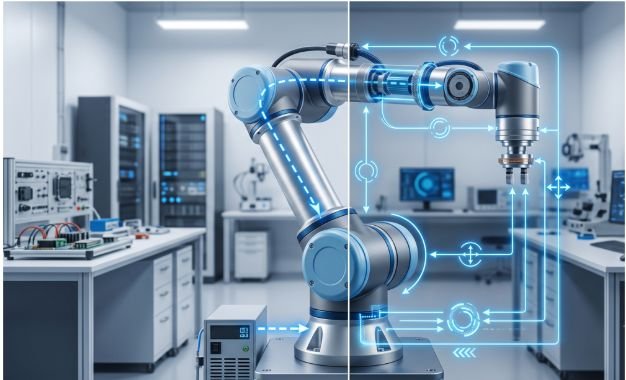
Open Loop vs Closed Loop Robotics: Key Differences
A robot can follow a command perfectly in software and still fail in the real world. The deciding factor is often feedback. In open loop […]
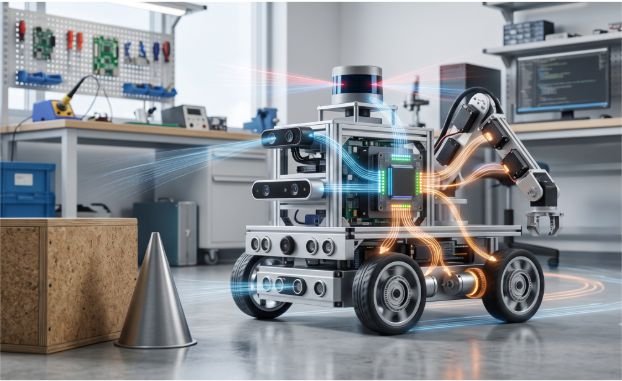
Sensors vs Actuators in Robotics: Complete Comparison
A robot can detect a wall perfectly and still crash into it. It can also have powerful motors yet move blindly. Understanding sensors vs actuators […]
How Robot Sensors Work: From Signals to Smart Actions
A robot can move perfectly and still fail if it cannot sense what surrounds it. Understanding how robot sensors work shows how machines detect obstacles, […]
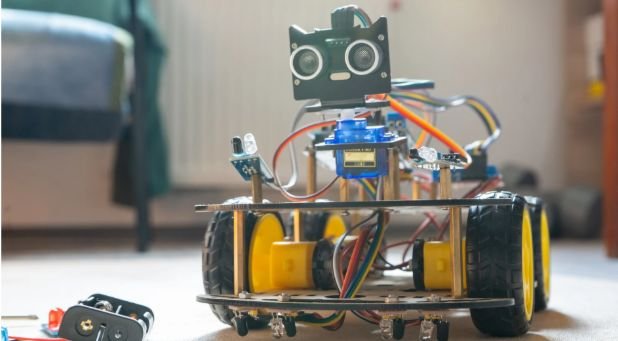
Main Components of a Robot: 7 Essential Parts Explained
A robot works only when its hardware and software form one dependable system. The main components of a robot must sense conditions, process data, create […]
Autonomous Vs Teleoperated Robots: Key Differences
A robot can move without a nearby person yet still lack autonomy. The real question is who decides what happens next. When I compare autonomous […]
Industrial vs Service Robots: Key Differences Explained
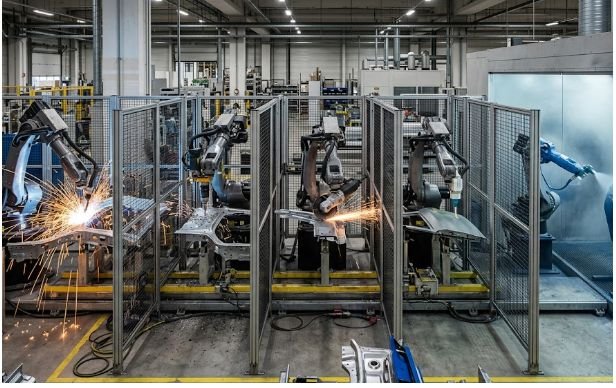
A factory arm welding car frames and a hospital robot delivering supplies may look equally advanced, but they solve different problems. The clearest way to […]