Staring at a brand-new machine clicking away on the desk brings a rush of pure creative excitement. We all start this journey by printing small plastic animals, but the real magic happens when you transition into creating functional, everyday fixes.
Discovering the most useful things to 3D print transforms your machinery from a simple weekend hobby tracker into a full-scale personal manufacturing station that repairs your living space and builds custom electronics hardware.
Key Takeaways
- Match the proper filament type like PETG or TPU to the mechanical demands of the object’s specific environment.
- Modular design systems allow infinite workspace customization while saving plastic.
- Print custom replacement parts instead of buying expensive retail upgrades.
- Mechanical engineering basics become second nature when designing custom enclosures.
- Upgrading print settings guarantees strong, durable parts that withstand regular wear.
Why We Need Practical Prints
Let us be completely honest for a moment. You can only print so many neon green plastic octopuses before your shelves look like a neon recycling bin. Finding useful things to 3D print is the ultimate way to prove to everyone that your premium desktop machine is an indispensable manufacturing tool rather than a loud toy.
Creating perfect 3D prints starts with choosing practical designs, fine-tuning your printer settings, and using quality materials, allowing you to produce durable, functional parts that showcase the true capabilities of desktop 3D printing.
Making custom fixes gives you a genuine excuse to upgrade your garage setup and design custom robotics gadgets.
Eradicating Clutter Around The House
Tackling a messy living room or bedroom becomes simple when you design bespoke organizational solutions that exactly fit your space.
1. Custom Drawer Dividers
Standard drawer dividers from the retail store never match the exact layout of your specialty engineering screwdrivers, sensor modules, or tiny screws. Implementing a modular grid base lets you pop customized, interlocking bins into place so everything stays exactly where it belongs.
Using basic PLA filament works perfectly for this project since these stationary desktop trays do not need to withstand extreme heat or harsh outdoor environments.
2. Cord Holders And Desk Grommets
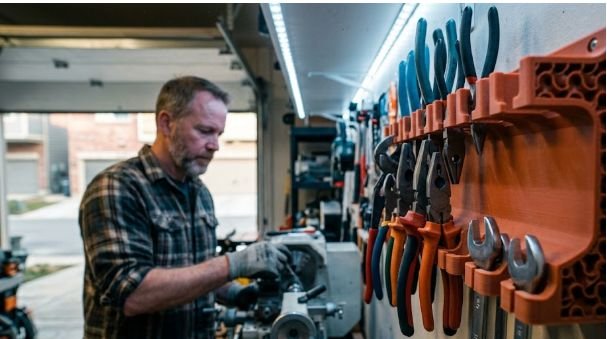
Loose power cords dangling behind your electronic test bench create an annoying safety hazard and pick up static interference easily. Designing linked plastic tracks lets you safely route cables along the edges of the desk without crimping the wiring inside.
Make sure to print these with thicker wall boundaries in your slicer software to give the plastic hinges long-lasting durability through thousands of bends.
3. Heavy Duty Grocery Bag Handles
Carrying dozens of thin plastic grocery bags up the stairs can cause poor blood circulation to hands and fingers and causes sudden rips. Printing a thick, ergonomic carrier handle distributes the weight evenly across your palm so you can carry massive loads in a single trip.
This quick project uses very little material but saves you from unexpected trips back out to the car trunk.
Smart Innovations In The Kitchen
Making your culinary environment organized is highly rewarding when you mix simple plastic designs with practical problem solving.
4. Stackable Sink Strainers
Food debris washing down the kitchen plumbing leads to terrible odors and expensive visits from the local plumber. Crafting a custom corner-fitting sink basket catches all the small food scraps before they enter the drain line.
Use a food-safe plastic coating over the finished part to ensure no bacteria builds up inside the tiny layered print lines.
5. Adjustable Bag And Chip Clips
Stale snacks and spilled bags of baking flour are incredibly frustrating occurrences in a busy family pantry. Printing wide mechanical clips out of rigid PLA plus gives you a tightly sealed container that performs better than cheap store brands.
Adjust your tension settings in the slicing software to make sure the moving hinges clamp down with maximum pressure.
6. Custom Tiered Spice Racks

Searching through a dark kitchen cabinet for a single small jar of seasoning slows down your cooking routine.
Creating angled, tiered racks allows you to see every single label clearly at a quick glance. Measure your specific cabinet dimensions before starting the machine so the final rack slides in flush against the woodwork.
Upgrading The Office And Tech Space
Keeping your expensive electronic equipment safe and organized protects your workflow from sudden hardware problems.
7. Minimalist Laptop Stands
Leaving multiple computers laying flat across your desk takes up valuable real estate needed for writing and drawing.
Printing a vertical dual-docking stand lifts your machines completely off the table surface while they are connected to external monitors. Add small rubber pads to the bottom of the printed base to prevent the heavy assembly from sliding around.
8. Headphone And Controller Mounts
Gaming headsets and expensive robotic controllers get damaged easily when they are left scattered across a cluttered floor.
Creating custom hooks that screw directly under the desk surface keeps your gear safe and within arm’s reach. Choose a high-strength infill pattern like the gyroid setting to ensure the plastic hook never sags under constant load.
9. Compact Cable Winders
Long charging cables tangled up inside your backpack turn into a giant messy knot whenever you travel. Crafting flat winding cards lets you wrap up your cords neatly without causing internal wiring damage.
This project is excellent for using up the last remaining meters of filament left over on the edges of your plastic spools.
Heavy Duty Garage And Workshop Hacks
Building your first moving machine gets much easier when your tools are stored in highly accessible locations.
10. Modular Tool Organizers
Getting standard robotic moving parts anchored down to a sturdy wooden baseplate is frustrating without pre-made plastic brackets. Creating custom mounting blocks gives your small motors a solid platform that will not flex when the robotic arm lifts up heavy items.
Beginners should start with simple square designs because they are quick to print and easy to adjust if you change motor brands later.
11. Functional Replacement Parts
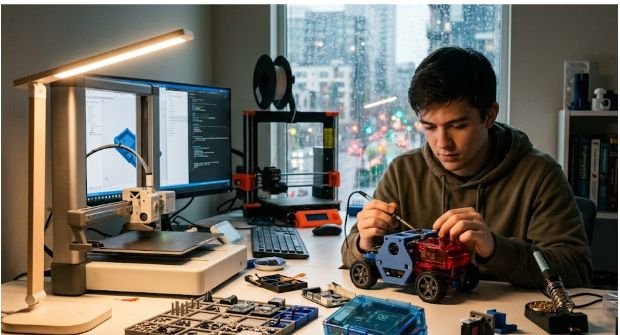
Leaving exposed computer chips like an Arduino sitting bare on your desk invites accidental short circuits from loose metal tools. Designing a small protective box with quick snap-together lids keeps the delicate circuit boards clean and safe from dynamic static shocks.
Adding small side vents directly into the model allows cool air to flow freely so the internal microprocessors never overheat during long sessions.
Master Class on Useful Things to 3D Print Properly
Getting the most out of your machinery means understanding how plastic behaves under real physical stress.
Selecting Tough Engineering Filaments
Picking standard PLA filament is fantastic for beautiful models, but it softens and warps if left inside a hot car on a sunny summer afternoon. Utilizing tough PETG filament provides excellent temperature resistance for outdoor brackets, while ABS filament delivers the raw physical strength needed for heavy mechanical brackets.
Always look up the thermal properties of your building materials before hitting the start button to ensure your hard work lasts forever.
Optimizing Internal Geometric Density
Using a higher density percentage helps parts resist breaking, but changing the internal geometry pattern actually does the heavy lifting for mechanical strength. Selecting a gyroid 3D printing pattern distributes physical stress evenly in every single direction rather than just along flat geometric lines.
This technique allows you to create incredibly strong, lightweight drone arms and tools while saving large amounts of expensive raw material.
Frequently Asked Questions
1. What are some must-haves for 3D printing?
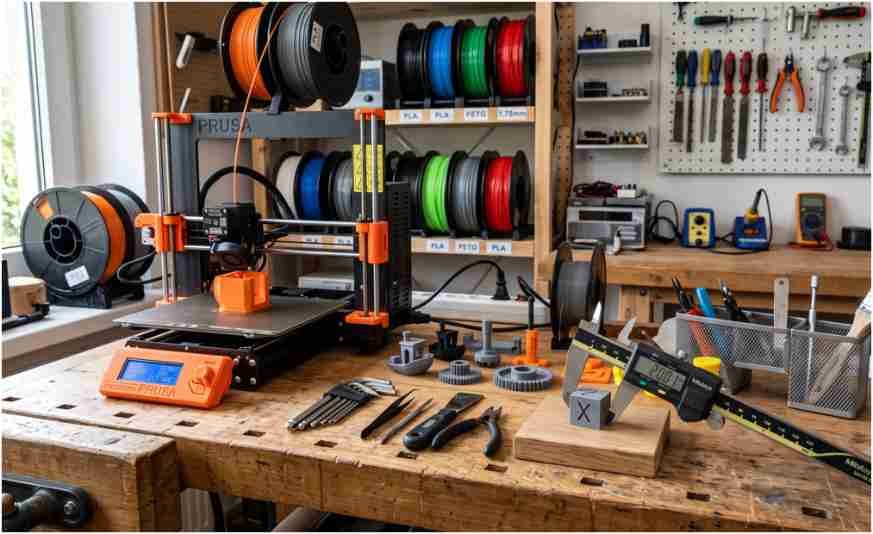
You absolutely need high-quality digital calipers for precise physical measurements, a sturdy metal scraping tool to safely remove finished objects, reliable blue painter’s tape for bed adhesion, and premium brand filament to prevent clogged nozzles.
2. Can I legally sell 3D prints?
You can legally sell physical objects if you designed the digital file yourself or if the original creator explicitly granted commercial distribution rights under an open-source Creative Commons digital license structure.
3. What is the most wanted 3D printed item?
Highly functional household organizational tools, customized replacement kitchen knobs, articulated tech desk toys, and protective cases for smartphones or microcontrollers remain the most popular items downloaded across major public model repositories.
4. What to 3D print when you’re bored?
Try creating modular desktop storage bins, mechanical gear fidget toys, low-profile phone stands, flexible cable management wraps, or miniature custom brackets to organize all the messy loose items scattered around your workspace.
Unleash Your Machine And Start Creating
Taking a digital concept and turning it into a tangible, working tool inside your home feels like living in the future. Focusing on useful things to 3D print allows you to move past simple plastic trinkets and start manufacturing real solutions for complex robotics projects and home renovations. Fire up your machine, calibrate the building plate, and start printing functional tools today.