
Learning to code can feel like standing at the entrance to a crowded subway system with dozens of possible routes and no clear map. Every program promises a faster trip into tech, but the wrong choice can cost thousands of dollars and months of effort.
When I compare the best coding bootcamps, I focus on more than flashy job claims. I look at teaching quality, real project work, schedule flexibility, career support, total cost, and how well each program prepares students for the current US hiring market.
Which Coding Bootcamp Is Best for Serious Software Engineers?
Codesmith: Best for Advanced Technical Training
Codesmith is designed for learners who already understand JavaScript and want to develop deeper software engineering skills. Its immersive curriculum emphasizes full-stack JavaScript, computer science fundamentals, engineering communication, collaborative development, and AI or machine learning concepts.
I would not recommend it as a first exposure to programming. Applicants should expect technical preparation and an intensive admissions process. Its higher tuition also makes it better suited to students who have carefully assessed their finances and career objectives.
Codesmith stands out when technical depth, peer collaboration, and hiring preparation matter more than affordability. Forbes currently includes its Software Engineering and AI/ML Immersive among its reviewed bootcamp programs, while noting that prior JavaScript knowledge is required.
Hack Reactor: Best for Beginner-to-Intermediate Flexibility
Hack Reactor offers software engineering programs for different experience levels. Its beginner bootcamp requires no previous coding experience and uses preparatory material to introduce students to essential concepts before they enter the main curriculum. Forbes Advisor currently identifies Hack Reactor’s full-time beginner program as its leading choice for new coders.
Students learn modern development and AI-related skills while building experience with full-stack applications. Hack Reactor says it has supported more than 14,000 graduates, but applicants should still examine the latest independently reported outcomes instead of relying solely on provider claims.
I consider this a strong option for students who want a structured software engineering immersion but need a clearer entry path than advanced programs provide.
What Are the Best Flexible Online Coding Bootcamps?

Springboard: Best for Self-Paced Mentorship
Springboard works well for students who need to continue working while studying. Its online format combines flexible coursework with individual mentorship, project development, and career preparation.
Weekly mentor contact can provide accountability that independent courses often lack. However, self-paced learning still requires consistency. Students who regularly postpone coursework may perform better in a fixed live cohort.
Course Report currently includes Springboard’s Software Engineering Career Track among its highest-rated programs based on verified reviews and recent alumni activity.
Nucamp: Best Affordable Part-Time Option
Nucamp offers lower-cost, part-time programs for beginners and career changers who cannot stop working to attend a full-time immersion. Its longer schedule gives students more time to practice web development, build projects, and absorb technical concepts.
This affordability makes Nucamp attractive, but price should never be the only consideration. I would also investigate instructor availability, class size, portfolio quality, graduate support, and the amount of independent study required.
Nucamp describes itself as a budget-friendly option, although students should verify current prices and payment terms directly before enrolling.
Which Immersive Bootcamps Offer Hands-On Experience?
App Academy: Best for Project-Based Learning
App Academy emphasizes immersive software engineering education through coding exercises, assessments, team projects, and portfolio development. Forbes highlights its extensive project hours and built-in technology residency as major experiential-learning strengths.
The provider became well known for deferred tuition arrangements, but students should carefully read current repayment terms. Deferred tuition does not eliminate the cost; it changes when and under what conditions payment becomes due.
I would choose App Academy when structured practice and hands-on projects matter more than schedule flexibility.
Flatiron School: Best for Multiple Technology Career Paths

Flatiron School offers training across software engineering, data science, cybersecurity, and related technology disciplines. This variety benefits students who have a defined career direction but want one provider with several specialized pathways.
Its software engineering curriculum focuses on practical tools, application development, teamwork, and industry workflows. However, students should avoid selecting a track simply because it sounds popular. Software engineering, cybersecurity, and data science lead to different job requirements and demand different strengths.
How Much Does a Coding Bootcamp Cost?
Tuition can range from a few thousand dollars to more than $20,000. Course Report’s cost comparisons show that many full-stack immersive programs fall in the five-figure range, although prices, financing plans, and scholarships differ significantly.
I calculate more than advertised tuition. The true cost may include loan interest, computer equipment, software, transportation, living expenses, and wages lost while attending full time.
Before signing a contract, review the total repayment amount, refund policy, withdrawal rules, job-guarantee conditions, financing fees, and expenses that are not included in tuition.
Are Coding Bootcamps Worth It in 2026?
A bootcamp can be worthwhile when it provides structure, live instruction, code reviews, mentorship, collaboration, and career accountability that a student cannot create independently.
However, a certificate alone does not secure employment. US employers increasingly expect entry-level candidates to demonstrate practical ability through projects, GitHub activity, technical interviews, debugging, testing, databases, APIs (Application Programming Interface), cloud deployment, and responsible use of AI coding tools.
The best coding bootcamps prepare students to solve unfamiliar problems rather than merely copy tutorials. They should also explain how their placement statistics are calculated, which graduates are excluded, and whether outcomes have been independently verified.
What Free Coding Bootcamps Should Beginners Try First?
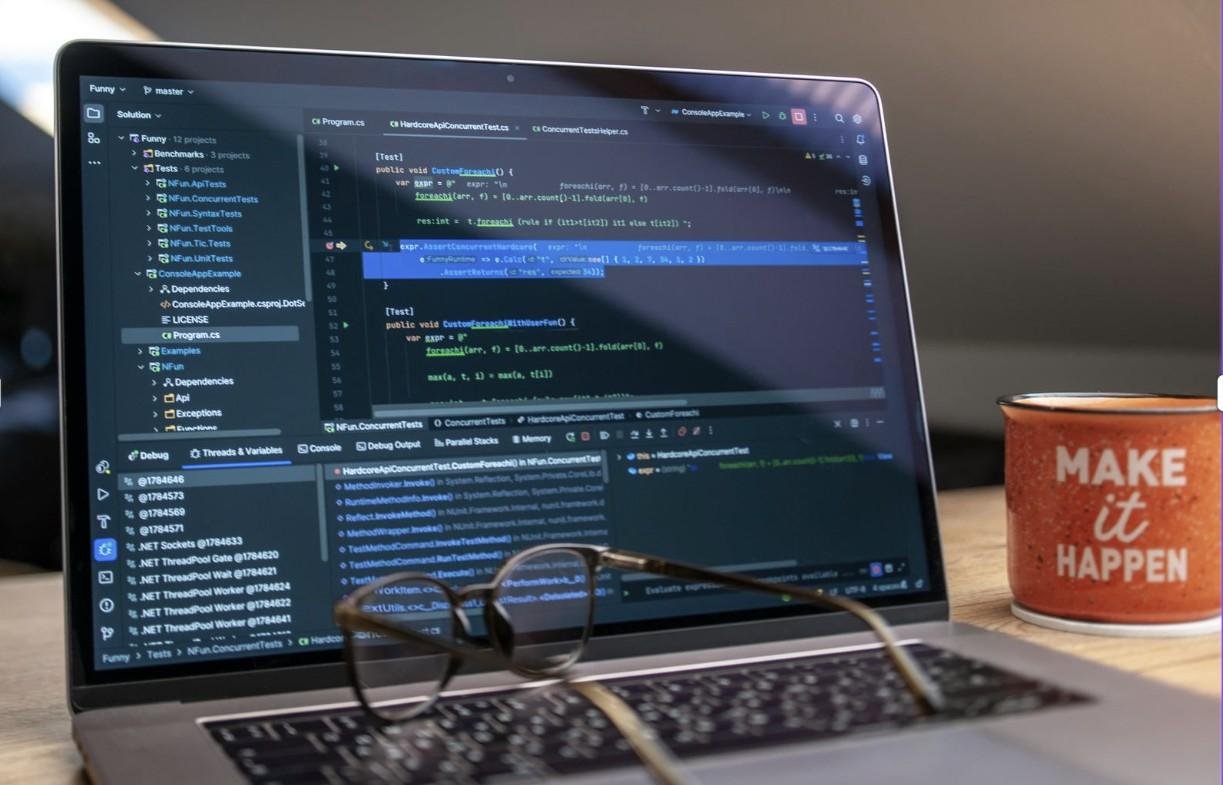
Before spending thousands of dollars, I recommend testing your interest through a reputable free program.
The Odin Project provides a free, open-source full-stack curriculum supported by curated tutorials, projects, and an active community. FreeCodeCamp offers thousands of lessons and interactive coding exercises, while Harvard’s CS50 introduces computer science, problem-solving, C, Python, SQL, and web development concepts.
Other options include 100Devs, a community-based full-stack training program, and Stanford’s Code in Place, which has offered free introductory Python instruction.
These resources help students determine whether they enjoy programming before committing to an expensive course. They can also strengthen foundational knowledge before applying to a selective immersive program.
How Do I Choose the Right Coding Bootcamp?
I begin with the job I want rather than the school’s marketing. Front-end developers, backend engineers, cybersecurity professionals, and data scientists need different skills.
Next, I compare the curriculum with active US job postings. A modern software engineering program should address programming fundamentals, Git, databases, APIs, testing, debugging, deployment, teamwork, and AI-assisted development.
Beginners who want to build foundational skills before joining a bootcamp can also explore the best coding and robotics kits for kids to understand basic logic, sequencing, and problem-solving through hands-on activities.
I also speak with recent graduates, review independent feedback, inspect student projects, and ask how long career support continues after graduation. Course Report provides a large comparison database containing tuition information and more than 60,000 alumni reviews, but students should compare multiple sources before deciding.
Frequently Asked Questions (FAQs)
1. What coding bootcamp is best for complete beginners?
Hack Reactor’s beginner program and Nucamp’s part-time courses offer accessible starting points, but completing a free introductory course first can reduce enrollment risk.
2. Can a coding bootcamp help me get a job without a degree?
Yes, some employers hire candidates without computer science degrees, but projects, technical ability, networking, interview performance, and relevant experience remain essential.
3. How long does a coding bootcamp take?
Full-time immersive programs often take three to five months, while part-time and self-paced programs may require six months to a year.
4. Are job guarantees from coding bootcamps reliable?
They can provide limited protection, but eligibility usually depends on strict attendance, application, location, work authorization, and job-search requirements. Read every condition carefully.
Final Verdict
Codesmith suits experienced learners seeking technical intensity. Hack Reactor offers a clearer route for beginners, Springboard supports flexible study, Flatiron School provides multiple career tracks, App Academy emphasizes hands-on work, and Nucamp serves budget-conscious part-time students.
My final choice would depend on verified outcomes, curriculum relevance, total cost, schedule, and instructional support. The best coding bootcamps do not promise effortless success. They provide a demanding but structured environment in which committed students can build credible skills, professional projects, and a realistic strategy for entering the US technology industry.