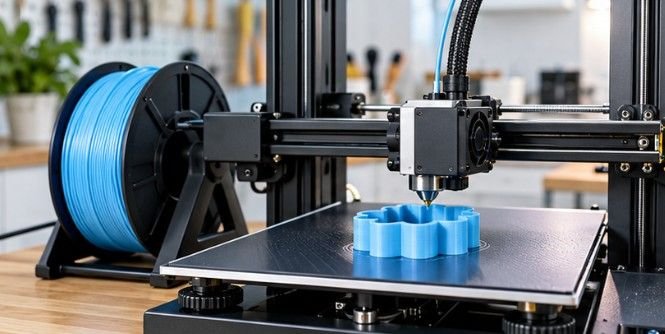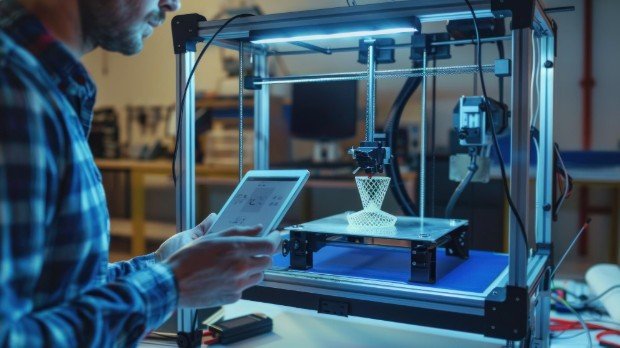
Walking into a modern hospital today feels exactly like stepping onto a sci-fi movie set. Watching a mechanical nozzle deposit layers of liquid plastic to build a replica of a human heart made me realize that medical robotics isn’t just a future dream anymore. The exciting expansion of 3D printing uses in medicine is completely changing how doctors treat patients and how engineers build medical machinery.
Key Takeaways
- Medical 3D printing creates patient-specific implants, organs, and custom tools.
- Over 100 top U.S. hospitals now run internal, centralized printing labs.
- The FDA actively clears custom biocompatible resins and printed medications.
- Medical robotics relies heavily on 3D-printed lightweight, durable parts.
- Open-source software converts patient CT scans directly into physical models.
We Absolutely Need 3D Printing Uses in Medicine
Imagine trying to fix a complex, delicate robot using generic, mass-produced tools that do not quite fit the internal gears. The human body is the most complex biological robot on Earth, meaning a one-size-fits-all approach simply fails when performing delicate procedures.
Embracing 3D printing uses in medicine is necessary because it allows engineers and doctors to create ultra-customized components that match an individual patient’s unique framework perfectly.
Tactical Pre-Surgical Planning and Anatomical Models
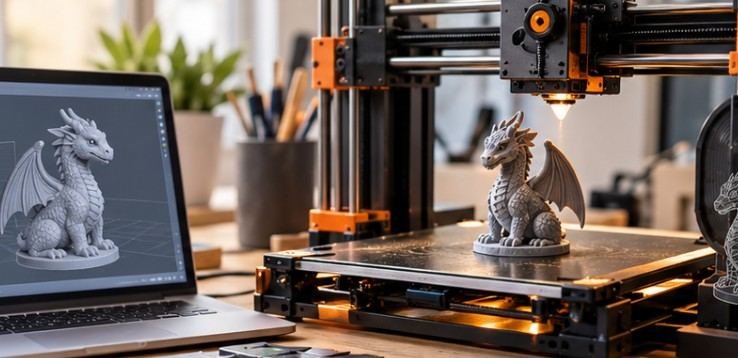
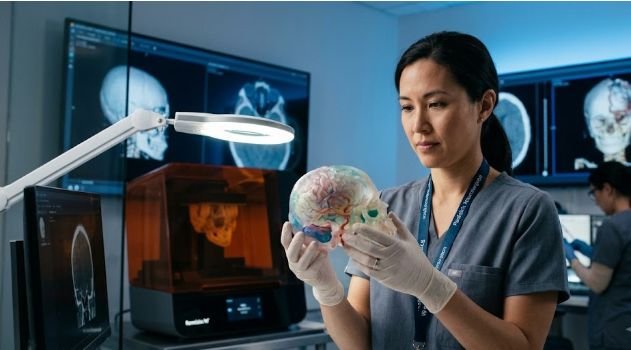
3D printing in medicine translates patient-specific CT and MRI scans into physical, life-saving tools. This dynamic workflow bridges the gap between digital imaging software and physical reality by converting layered visual data into code that a desktop machine can read.
Robotics beginners can think of it as using a digital sensor to map a room and then building a mini plastic replica of that environment.
Hospitals use 3D printing to create tactile, anatomical models of complex defects, tumors, or aneurysms. Having a physical object to touch allows the medical team to view structural abnormalities from every angle before making a single incision. This intensive preparation helps the clinical team mapping out the procedure to identify potential spatial issues that standard flat computer screens might hide.
This allows surgeons to rehearse intricate operations in advance, which reduces time in the operating room, minimizes blood loss, and accelerates patient recovery. A robotic printer builds an exact replica of the patient’s internal organs so doctors can physically hold and study the exact shape of the problem area. By practicing the exact pathway of the surgery on a plastic duplicate, the entire operating team can complete the real procedure with maximum efficiency.
Patient-Specific Implants and Customized Prosthetics
Instead of relying on mass-manufactured options, providers can 3D print customized cranial plates, spinal cages, and joint replacements that perfectly match an individual’s unique bone structure. Industrial printers use advanced laser melting technology to fuse medical titanium powder into complex shapes that traditional factory molds cannot replicate.
The printed metal can even feature microscopic pores that encourage real bone cells to grow directly into the implant over time.
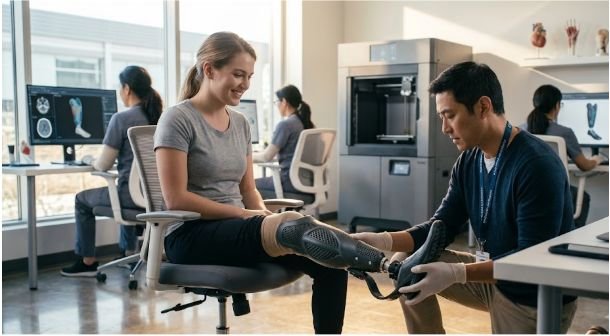
In orthopedics, it allows for the manufacturing of lightweight, custom-fit limbs and orthotics, which are particularly cost-effective for growing children. Kids outgrow standard medical gear quickly, which makes traditional production methods incredibly expensive for families over long periods.
Local engineering labs can quickly tweak a digital design file and print a new, larger custom plastic component in less than twenty-four hours.
These advanced lightweight wearables integrate beautifully with external sensors and small motors to create responsive electronic limbs. Robotics enthusiasts can utilize these custom-fit plastic shells to housing microcontrollers, servo motors, and battery packs without adding unnecessary bulk. The end result is a comfortable, personalized piece of wearable robotics that moves naturally with the human user.
Highly Accurate Surgical Guides and Direct Tools
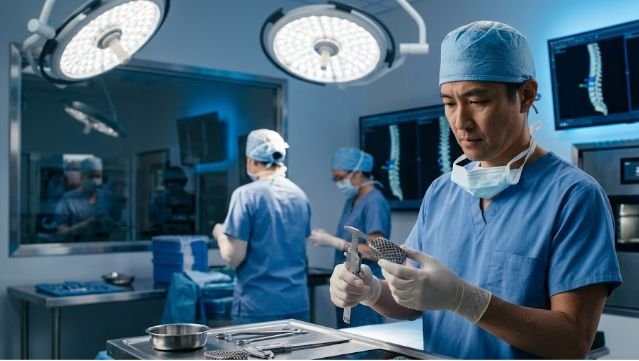
Clinicians print single-use, sterile surgical cutting and drill guides that fit perfectly onto a patient’s bone. These temporary templates are designed using the patient’s initial imaging scans so they snap onto the target skeletal area like a puzzle piece.
This remarkable medical application reflects the origin story of why 3D printing was invented—to transform digital designs into precise physical objects quickly, enabling faster prototyping and, over time, highly customized solutions for industries such as healthcare, engineering, and manufacturing.
The physical guide features built-in slots that restrict the movement of a drill or saw, preventing the tool from slipping during the procedure.
This ensures hardware is placed with sub-millimeter precision during highly sensitive alignment operations. When inserting pins or screws near critical nerve pathways, a microscopic error can cause permanent damage to the individual. By utilizing these specialized printed guides, the medical team achieves the absolute highest level of geometric accuracy possible.
The manufacturing process uses specialized biocompatible filaments that can withstand high temperatures inside clinical cleaning autoclaves. This allows point-of-care hospital labs to produce custom, sterile instruments on demand right before a scheduled surgery begins. It completely changes supply chain management by removing the need to keep thousands of specialized metal tools in hospital storage rooms.
The Emerging Bio-Printing Frontier and Tissue Engineering
Bioprinting is an emerging frontier where researchers use bio-inks made of living cells to print experimental tissues, skin grafts surgery, and blood vessels with the ultimate goal of developing functional, transplantable organs.
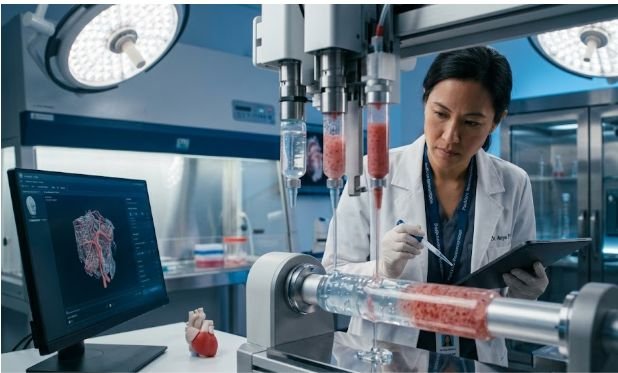
Instead of melting industrial plastics, a highly precise robotic arm extrudes a protective hydrogel containing millions of human donor cells. The multi-axis machine deposits these delicate layers on top of each other to construct living, breathing biological architectures.
Medical laboratories currently use these small printed patches of human skin and liver tissue to safely test new cosmetic and pharmaceutical products without harming animals. Engineers monitor how the printed cellular structures react to different chemical compounds in real-time to predict human side effects accurately. This automated testing accelerates the discovery of life-saving treatments while lowering the overall development costs of new medications.
The long-term objective is to completely solve the global organ donor shortage by manufacturing full-scale hearts and kidneys on demand. While building complex vascular networks of tiny blood vessels remains a significant engineering hurdle, structural progress occurs every single day. Aspiring roboticists entering this field will actively shape the future of automated cellular construction and regenerative medicine.
Modern Digital Dentistry and Clinical Orthodontics
Rapid point-of-care 3D printing allows orthodontists and dental labs to quickly produce custom crowns, bridges, aligners, and surgical guides on-site. Instead of using messy clay molds that make patients uncomfortable, clinicians use a handheld intraoral scanner to capture thousands of structural photos inside the mouth.
The computer instantly combines these images into a highly accurate three-dimensional digital landscape of the teeth.
High-speed liquid resin printers then cure specialized photopolymers using ultraviolet light projections to build dental models within minutes. These printed objects act as the perfect foundation for vacuum-forming clear plastic invisalign that work to straighten teeth comfortably over time.
The rapid physical turnaround allows patients to walk out of the clinic with their personalized treatment kits on the exact same day.
This localized production model eliminates the time and shipping costs of sending physical impressions to distant external manufacturing facilities. Local clinics maintain absolute control over the quality checks, digital adjustments, and final post-processing steps. It represents the perfect real-world example of how desktop machines bring industrial manufacturing power directly to local communities.
Frequently Asked Questions
1. What drugs are FDA approved for 3D printing?
The FDA approved Spritam in 2015, which is a fast-dissolving epilepsy medication manufactured using a specialized powder-bed inkjet printing process. Researchers are actively developing customized multi-drug polypills to consolidate daily patient dosages.
2. What medical things can you 3D print?
Medical professionals routinely print patient-specific titanium implants, custom prosthetic limbs, dental aligners, surgical cutting guides, and anatomical organ models. Advanced research laboratories also produce living skin patches and experimental tissue structures for testing.
3. How many hospitals use 3D printing?
Over 100 major clinical institutions across the United States operate dedicated, centralized 3D printing facilities directly inside their radiology departments. This point-of-care adoption rate is expanding rapidly as hardware costs decrease and software automation improves.
4. How do doctors use 3D printing?
Doctors use physical models to map out difficult surgeries, explain complex conditions to patients, and create custom tools. They also use the technology to manufacture tailor-made bone implants and perfectly fitted prosthetic limb attachments.
Automated Robot Doctors Are Officially Here!
The rapid evolution of 3D printing uses in medicine proves that combining mechanical robotics with biological science saves human lives. From custom titanium skull plates to living cells shaped by automated robotic arms, the healthcare industry is becoming more personalized every single day.
Aspiring engineers and robotics beginners have an incredible opportunity to jump into this rewarding field, master the equipment, and help build the next generation of life-saving medical devices.