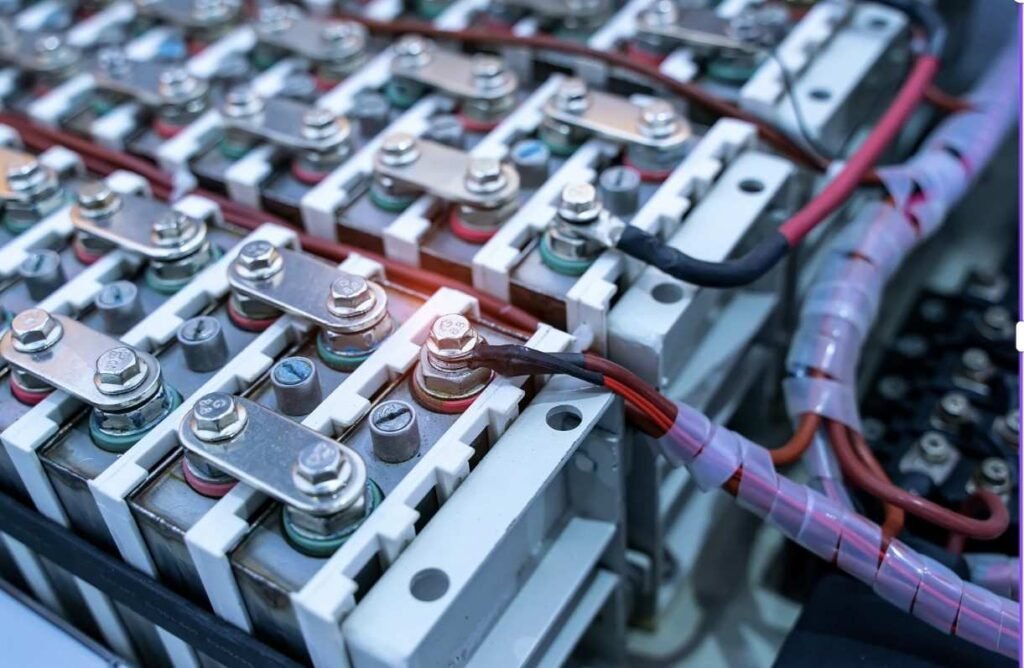
A swollen lithium-ion battery is damaged and unsuitable for household trash or an ordinary store collection box. When I need to determine where to recycle swollen lithium batteries, I start with a local household hazardous waste program, the manufacturer, or a certified recycler that explicitly accepts damaged batteries.
What Should You Do When a Lithium Battery Swells?
Stop using and charging the device immediately. Do not deliberately drain the battery, because powering a damaged cell can create more heat and stress. Never puncture, bend, crush, freeze, soak, or press it back into the device. The EPA says lithium-ion batteries and devices containing them should not enter household garbage or curbside recycling.
If the battery remains inside a phone, laptop, tablet, power bank, or tool, leave it there unless the manufacturer or a trained technician directs you otherwise. Apple says an iPhone battery should be serviced by Apple or an authorized provider and recycled separately from household waste.
A battery that becomes hot, smokes, hisses, leaks, gives off a strong chemical odor, or glows red is an emergency. Move away, keep others clear, and call 911 or your local fire department.
Where Can You Take a Swollen Lithium Battery Near You?
Local Household Hazardous Waste Facilities
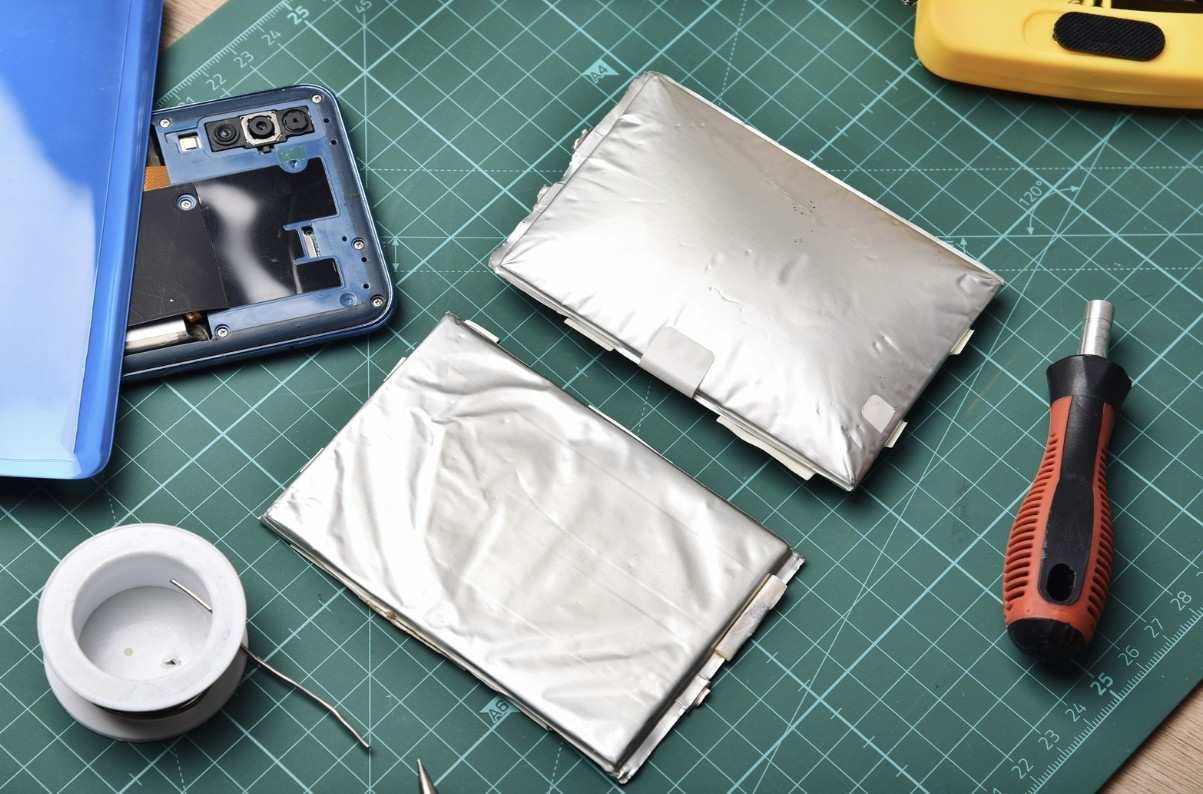
For most US households, a city or county household hazardous waste facility is the best first call. Search your municipal website for “household hazardous waste batteries” or “damaged lithium battery disposal.” Tell staff that the battery is swollen and whether it remains inside a device. Ask about appointments, packaging, transportation, and quantity limits before visiting.
Certified E-Waste Recyclers
A specialized e-waste processor may accept damaged devices and battery packs. The EPA recognizes R2 and e-Stewards certification programs and links to their recycler directories. Certification can help you identify responsible electronics recyclers, but you must still confirm that the individual facility handles damaged batteries.
Earth911 also lets you search for local recycling services by ZIP code. Call any listed facility and describe the swelling before traveling because a directory listing does not guarantee that damaged batteries are accepted.
Manufacturer Take-Back Programs
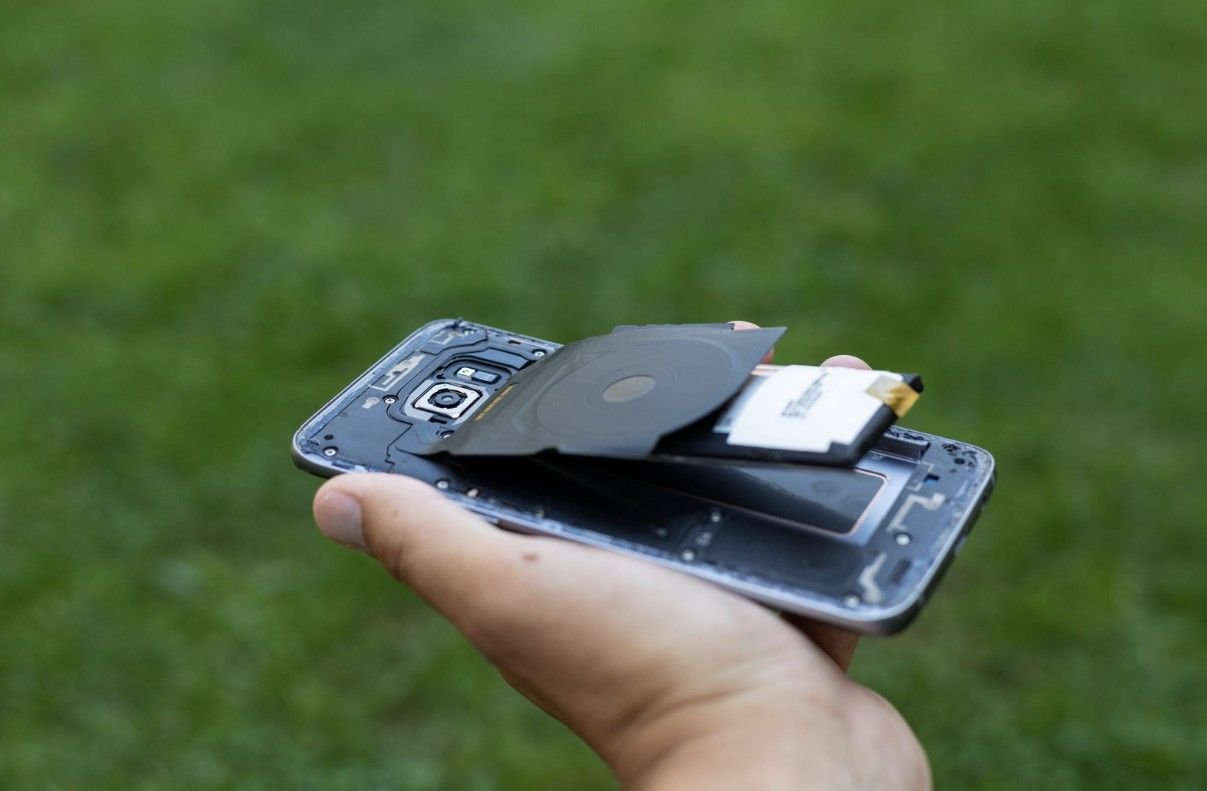
Contact the manufacturer when the battery is built into a device or may be covered by a recall. Apple provides battery service and recycling guidance, while HP Planet Partners offers recycling options for eligible HP equipment, printing supplies, and rechargeable batteries. Program rules and service methods vary.
Never mail a swollen battery through an ordinary trade-in or recycling program. Ship one only when the manufacturer or recycler specifically approves the damaged item and supplies compliant packaging and instructions.
Will Best Buy, Staples, or Other Retailers Accept It?
Retail programs work well for normal end-of-life electronics, but they are not automatic destinations for swollen batteries. Best Buy accepts many qualified electronics and generally limits households to three items per day, with separate limits for laptops, TVs, and monitors. Product, fee, and state restrictions may apply.
Staples accepts many electronics and rechargeable batteries, although battery-size and watt-hour limits apply. Office Depot and OfficeMax offer paid tech-recycling boxes for eligible devices, but their published exclusions include leaking electronics.
For a swollen battery, call the specific store and ask whether trained staff have a damaged, defective, or recalled battery process or a DDR container. Never leave the battery in an unattended retail box. The Battery Network, formerly Call2Recycle, says damaged batteries should not go into its standard collection boxes, while recalled batteries may require direct manufacturer instructions.
How Should You Store It Before Recycling?
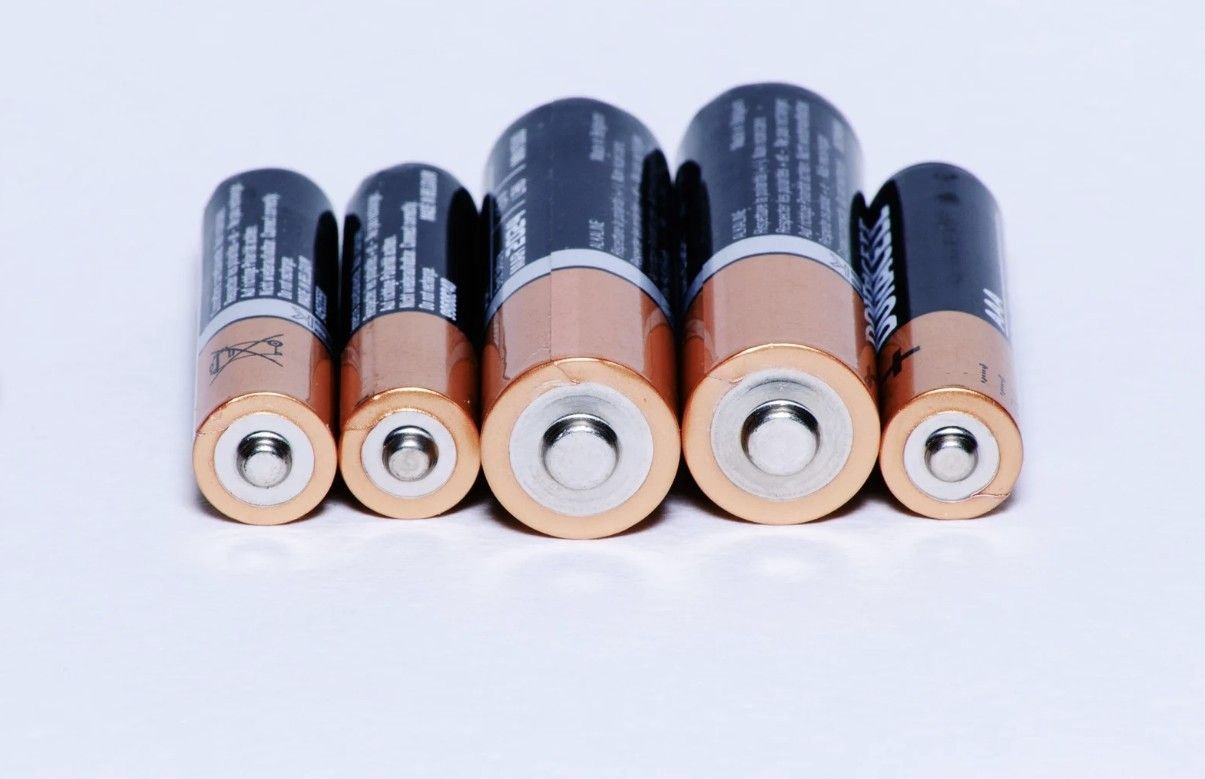
Follow the receiving facility’s instructions first. If the battery is cool and already removed, keep it away from people, pets, flammable materials, direct sunlight, and heat. The Battery Network recommends isolating a damaged battery in nonflammable material such as sand or kitty litter. Do not allow exposed terminals to touch bare metal or other batteries.
Do not seal the battery inside an airtight glass jar or improvise a shipping package. If the recycler tells you to protect exposed terminals, use nonconductive tape only when you can do so without squeezing or bending the battery. Choose a fire-resistant, nonconductive container approved by the receiving program rather than a loose metal box.
Should You Erase Personal Data First?
For a normal phone, computer, tablet, or storage drive, back up important files, sign out of accounts, disable activation locks, perform a factory reset, and securely erase the storage. Dragging files to the trash does not permanently remove them.
With a swollen device, safety comes first. Do not recharge or repeatedly power it on only to finish a reset. Ask the manufacturer, repair provider, or certified recycler whether it can remove or destroy the storage securely.
ecoATM evaluates eligible phones, tablets, and MP3 players and may pay for devices with remaining value, but it is not a general solution for computers, printers, or hazardous battery packs. Contact the company before taking a visibly swollen device instead of assuming a kiosk can accept it.
Frequently Asked Questions (FAQs)
1. Where to Recycle Swollen Lithium Batteries in the US?
Contact your city or county household hazardous waste program, the product manufacturer, or an R2- or e-Stewards-certified recycler that confirms it handles damaged lithium-ion batteries.
2. Can I Put a Swollen Battery in the Trash?
No. Household trash, curbside recycling, and ordinary battery bins can expose the battery to crushing, punctures, or heat and increase the risk of fire.
3. Can Best Buy or Staples Accept It?
Possibly, but only after the individual store confirms acceptance. General electronics programs may reject swollen, leaking, recalled, or otherwise damaged batteries.
4. Can I Mail It to a Recycler?
Do not use ordinary mail or a standard prepaid label. Ship it only through a program that explicitly accepts damaged batteries and provides compliant packaging.
Final Thoughts
I never choose the nearest recycling bin simply because it is convenient. I choose a qualified handler that understands damaged lithium batteries. Knowing where to recycle old electronics also helps me identify certified facilities that can manage hazardous devices responsibly. This is how I decide where to recycle swollen lithium batteries without exposing store employees, waste workers, property, or transport crews to avoidable danger.